The Same Face, Every Shot
The one-shot problem defined AI video for its entire early history. A generator could produce fifteen seconds of gorgeous, cinematic footage, a robed figure walking through a burning temple, lit and framed like something out of a real production. Ask for a second shot of the same figure and the illusion collapsed: different face, different robe, sometimes a different apparent age. Every clip was an island. Stitching two of them into a sequence meant stitching two different people together and hoping nobody looked closely.
For marketing purposes this made AI video a novelty rather than a tool. A book trailer runs as a sequence rather than a single shot, a protagonist glimpsed in shot one who has to still be recognizably that protagonist in shot four, and the one-shot problem made that basic requirement of storytelling unreachable. Authors who tried anyway ended up with moody, wordless mood pieces, because mood pieces are the only genre that survives a cast that changes identity between cuts.
The constraint gave way this year, specifically rather than gradually, through a targeted engineering fix aimed at exactly this problem rather than some general leap in video quality.
Reference Images Replace Hope
The mechanism behind the fix is straightforward once named. Instead of asking a model to imagine a character fresh in every shot and hoping the imagination arrives at the same result twice, current systems let a creator feed in reference images, a face, a costume, a specific object, and hold those references fixed across a defined sequence of shots. One current model’s storyboard mode lets a creator define a run of shots with individual camera directions and transitions while a single character reference persists through the entire sequence automatically. Others accept as many as nine reference images, images of a character from multiple angles, so the system has more to anchor to than a single portrait.
Handing the model the same reference image for every shot sidesteps the one thing prompting could never reliably hold onto: a face across cuts.
Memory versus repeated reference is the distinction that makes the fix actually work rather than merely reducing the failure rate. A model is not getting better at holding a mental image between calls. The workflow simply stopped requiring it to.
What This Actually Unlocks
The practical result is a production style that was simply unavailable a year earlier: the multi-shot sequence, three to twelve shots, each with its own camera direction and pacing, cut together into something that reads as a single continuous scene rather than a slideshow of unrelated beautiful images. A trailer can now open on a wide establishing shot, cut to a close-up on the protagonist’s face, cut again to a hand closing around a weapon, and the protagonist looks like the same person in all three, because in a mechanical sense they are the same reference image, reused rather than reimagined.
Layer the current generation’s native audio synchronization on top, dialogue, ambient sound, and score generated in the same pass rather than added afterward, and the ceiling on what a single independent author can produce alone, without a production budget or a collaborator, moved dramatically in twelve months. Where a cinematic trailer for a genre novel used to run into the thousands of dollars for a commissioned production, the same visual ambition is achievable today for a cost closer to the price of a specialty coffee, paid in generation credits rather than an invoice.
The Cost Curve Changes the Calculus Entirely
This price collapse changes what a trailer is for; it is not just an incidental side effect of cheaper compute. At a few thousand dollars a trailer, an author made one per book, treated it as a singular marketing event, and lived with whatever it turned out to be because a reshoot was not a realistic option. At a cost measured in dollars rather than thousands, a trailer becomes an iterable asset rather than a one-shot bet. A first attempt that undersells the tone can be redone the same afternoon. A teaser cut for social platforms and a longer cut for a landing page can both exist without either one straining a budget. Series can get their own consistent visual language across trailers for every volume, something that used to require the same production house be retained across years, now achievable by keeping the same reference images across every future generation.
The economics also change who gets to use this. A trailer at production-house prices was a tool for authors already earning enough to justify the spend, which meant the format reinforced whatever advantage established authors already had. A trailer at a few dollars in credits is available to anyone on their first book, which flattens a piece of the marketing gap between an established name and a debut.
Where the Illusion Still Breaks
None of this is a solved problem, and the caveat deserves more weight than the celebration got above.
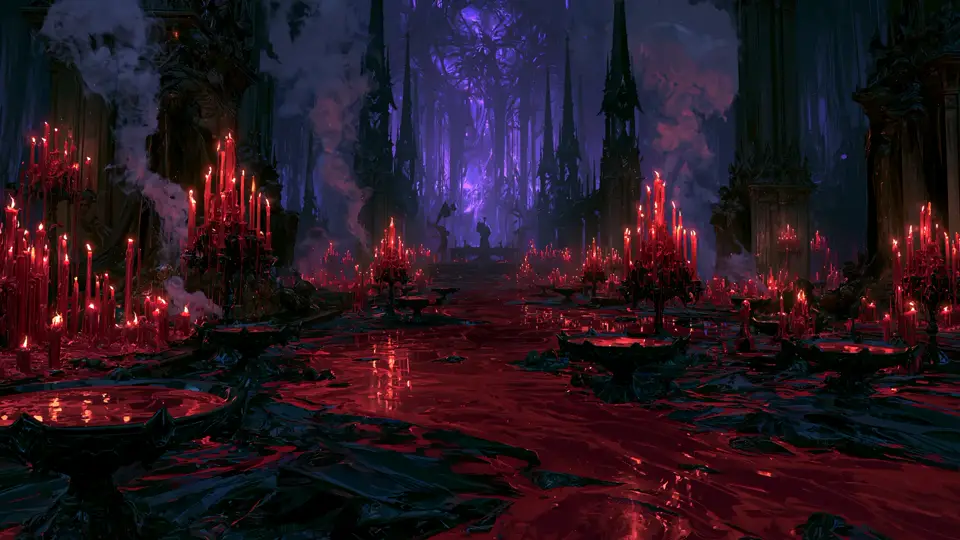
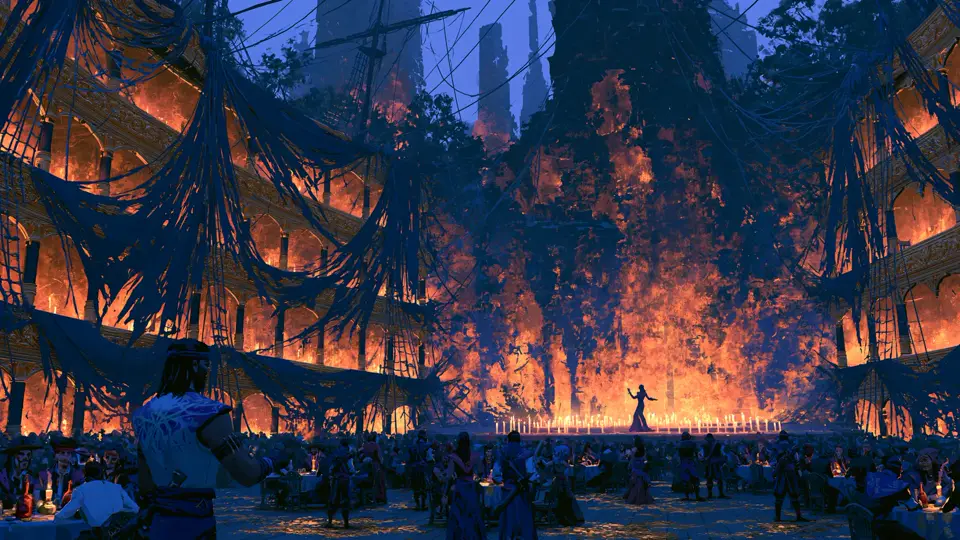
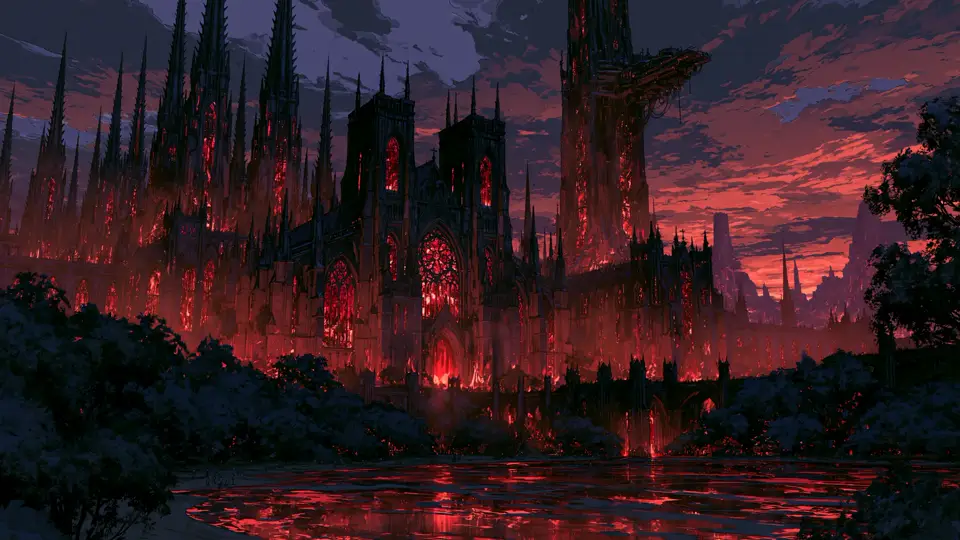
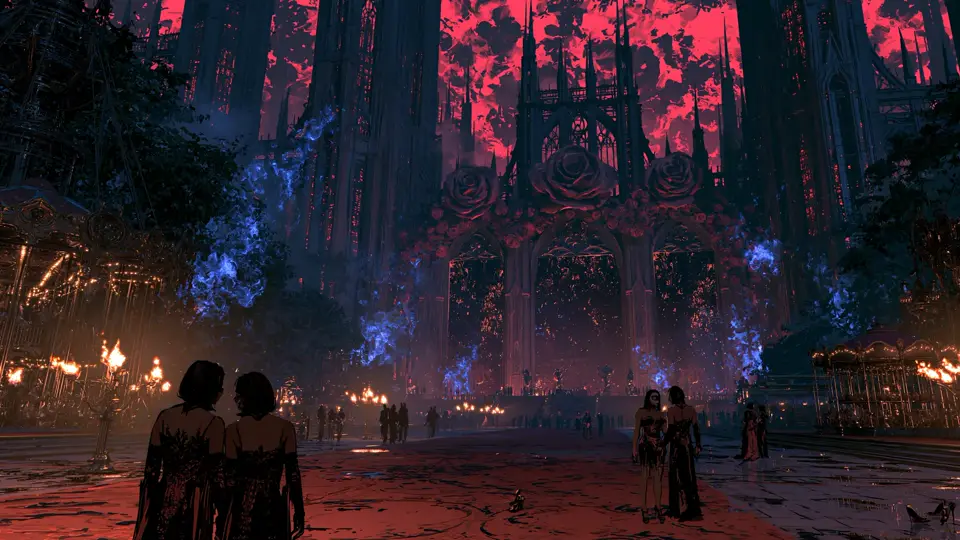
Stylized, atmospheric material is the strength. Robed figures, monsters, ruined cityscapes, dim and moody lighting, the exact visual register dark fantasy and horror already favor, is squarely inside what the current systems hold together well across a sequence.
Realistic human faces under sustained scrutiny are the weakness. Small inconsistencies in skin texture, eye behavior, and expression read as uncanny rather than merely imperfect the longer a shot lingers on an ordinary face in bright, even light, which is closer to where the illusion currently fails.
This asymmetry happens to favor the exact genre this readership works in. Dark fiction leans on shadow, texture, and implication rather than well-lit clarity, precisely the visual register where the current generation of tools is least likely to break. A writer chasing photorealistic contemporary drama fights the technology’s weak point. A writer chasing atmospheric grimdark works with its strength, by coincidence of genre rather than by design.
The New Baseline
Judge the shift by what it moved from optional to ordinary. A year ago, a competent multi-shot trailer with a consistent lead character required either a real production budget or accepting that consistency was the price of using AI video at all. Today it is a routine output of an afternoon’s work with reference images prepared in advance, at a cost low enough that the real constraint is no longer money or technical possibility. It is knowing what to reference, what to ask the sequence to show, and where the genre’s own visual language happens to sit right on top of what the tools currently do best. The trailer stopped being the rare, expensive swing it used to be. It became one more asset a book ships with, the way a formatted ebook file or a cover already is.