Midjourney Mastery: Visual Dark Fiction Worldbuilding
Every writer sees their world before they write it. The castle looming through mist, the way shadows pool in abandoned corridors, the specific shade of corruption spreading through divine architecture. But holding these visions consistent across 100,000 words? That’s where most atmospheric fiction falters.
Midjourney changed everything by crystallizing imagination into visual anchors that maintain mood, atmosphere, and aesthetic consistency throughout your narrative, with the imagining still entirely yours. Hundreds of hours of exploring its potential for dark fiction distill into these techniques, which transform abstract dread into concrete visual language.
The Visual Foundation of Dark Fiction
Dark fiction succeeds through atmosphere. Plot matters, characters essential, but without that oppressive sense of wrongness, that visual poetry of decay and shadow, you’re just telling scary stories. The masters understood this: Lovecraft’s impossible geometries, Barker’s visceral transformations, Jackson’s subtly wrong domestic spaces.
Traditional writers maintain atmosphere through memory and hope. They remember how they imagined the throne room in chapter three, hope it matches their description in chapter thirty. This mental juggling exhausts creative energy better spent on storytelling.
Midjourney becomes your external visual memory. Generate your world once, reference it forever. It goes beyond memory into collaborative imagination, showing you details you hadn’t consciously created but immediately recognize as right.
Understanding Midjourney’s Dark Aesthetic
Midjourney has personality quirks that serve dark fiction particularly well. It naturally gravitates toward dramatic lighting, understands atmospheric perspective, and excels at suggesting rather than explaining. These tendencies, properly channeled, create images that capture feeling as much as appearance.
The key lies in speaking Midjourney’s language while maintaining your vision: translating your specific atmospheric needs into visual instructions Midjourney understands, far past the level of generic “spooky castle” prompts.
Advanced Prompting for Atmospheric Consistency
Basic prompts produce basic results. “Dark castle” gives you every dark castle ever imagined, averaged into generic gloom. Advanced prompting captures your specific vision:
Establish Visual Vocabulary: Start with core aesthetic decisions. Is your darkness gothic (ornate decay), cosmic (vast wrongness), or intimate (corrupted familiar)? These foundational choices inform every prompt.
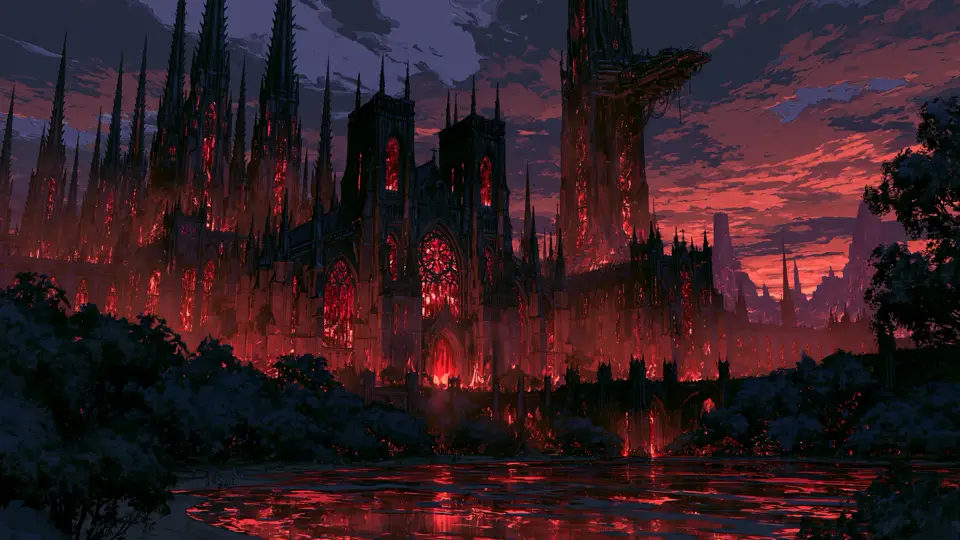
Layer Specific Details: Instead of “vampire castle,” try: “Baroque castle consumed by organic corruption, white marble veins pulsing with black blood, architectural cancer spreading through classical perfection, dawn light revealing the infection.”
Invoke Artistic References: Midjourney understands artistic styles. “In the style of Zdzisław Beksiński” immediately establishes surreal horror. “Caravaggio lighting” creates dramatic chiaroscuro. Combine references: “Bosch’s hell palace photographed by Gregory Crewdson.”
Control Through Constraints: Specific technical parameters create consistency. “Architectural photography, 24mm lens, blue hour, mist diffusing details” produces different results than “concept art, digital painting, dramatic perspective.”
Building Visual Style Guides
Professional productions use style guides, and so should your fiction. Midjourney excels at creating comprehensive visual references:
Architectural Consistency: Generate key locations from multiple angles. Your protagonist’s sanctuary, the villain’s domain, the liminal spaces between. Maintain architectural logic: if it’s neo-gothic outside, it shouldn’t be brutalist inside without reason.
Character Visualization: Capture presence as well as appearance. How do your characters occupy space? Generate them in various emotional states, different lighting conditions. A vampire in candlelight versus moonlight versus the harsh revelation of dawn.
Atmospheric Variations: Same location, different moods. Your haunted forest in fog, rain, snow, unnatural stillness. These variations ensure you’re not repeating descriptions while maintaining essential character.
Symbolic Consistency: Dark fiction thrives on visual symbolism. If roses represent corruption in your world, generate various states of rose decay. If mirrors serve as portals, explore how those portals manifest visually.
The Iteration Process
Midjourney’s true power emerges through iteration. First attempts rarely capture your exact vision, but each generation teaches you how to communicate better:
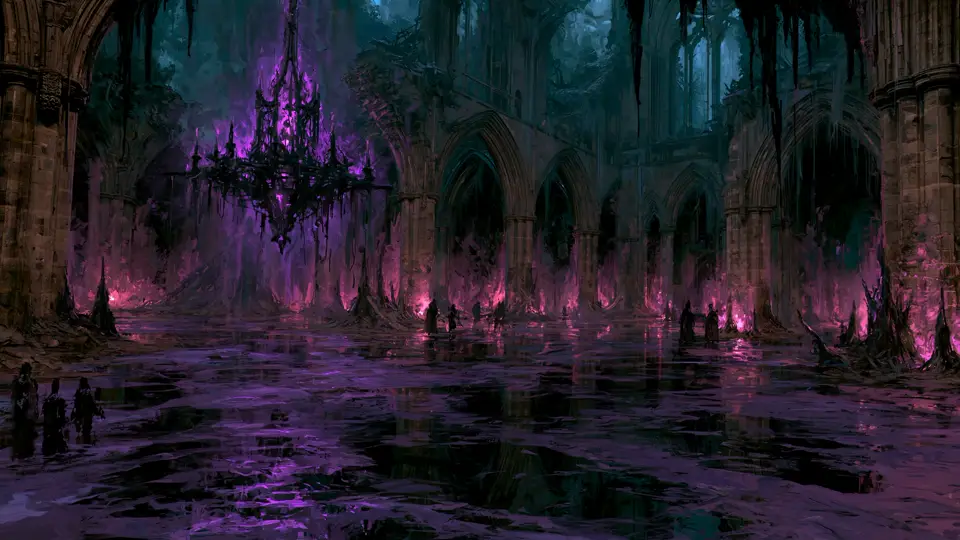
Start Broad, Refine Narrow: Begin with general atmosphere, then add specific details. “Gothic cathedral” becomes “Gothic cathedral with organic architecture” becomes “Gothic cathedral where stone flows like frozen flesh, pillars breathing subtly.”
Use Variations Wisely: When Midjourney produces something close, use variations to explore that direction. Often the third or fourth variation captures something your conscious mind hadn’t imagined but your subconscious recognizes.
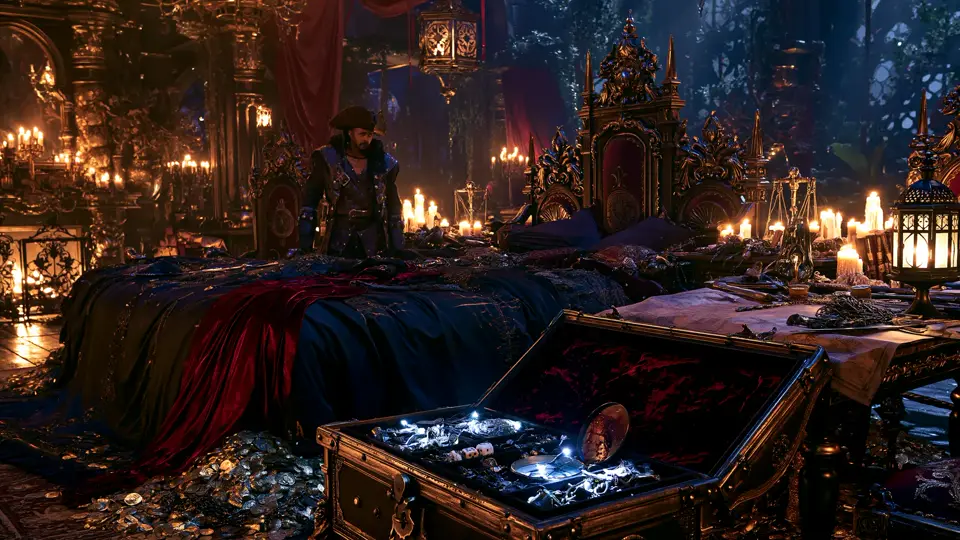
Remix for Evolution: Take successful images and remix them with new parameters. Your perfect throne room plus “overgrown with carnivorous vines” shows how that location changes through your narrative.
Document Your Prompts: Keep a prompt journal. What worked? What failed? Which words consistently produce your desired atmosphere? This documentation becomes your personal Midjourney grimoire.
Practical Worldbuilding Applications
Beyond pretty pictures, Midjourney serves specific worldbuilding needs:
Environmental Storytelling: Generate rooms that tell stories through objects. A child’s nursery where toys cast wrong shadows, wallpaper patterns that suggest surveillance, furniture arrangements that imply vanished inhabitants.
Cultural Visualization: How do different factions in your world express themselves visually? Generate architecture, clothing, symbols for each group. Visual distinction prevents generic fantasy soup.
Transformation Sequences: Show change over time. A human becoming monster, a sacred place profaning, civilization crumbling. These visual sequences inform how you write transformation scenes.
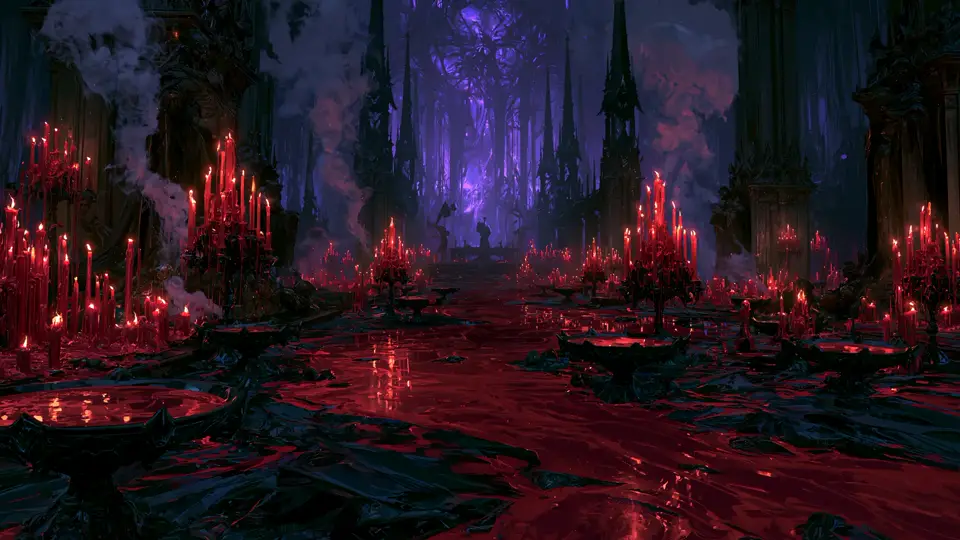
Emotional Geography: Map feelings onto environments. What does despair look like as architecture? How does madness manifest in landscape? These abstract concepts become concrete through visual exploration.
Integrating Visuals into Writing Process
Generated images work as active writing tools, well beyond passive reference:
Pre-Writing Meditation: Before writing a scene, spend five minutes studying relevant images. Let visual details seep into your subconscious. You’ll find yourself naturally incorporating atmospheric elements.
Mid-Scene Consultation: Stuck describing a location? Check your visual references. That unexpected detail in the image, the way light catches on wet stone or the specific angle of architectural decay, often unsticks prose.
Consistency Checking: During revision, compare your descriptions to generated images. Did you maintain the established atmosphere? Do verbal and visual align?
Reader Journey Mapping: Arrange images in narrative sequence. This visual outline reveals pacing issues, atmospheric gaps, where you need transitional imagery.
Advanced Techniques for Specific Subgenres
Different dark fiction subgenres benefit from tailored approaches:
Cosmic Horror: Focus on scale and wrongness. “Non-Euclidean architecture photographed from impossible angles” or “organic machinery growing through abandoned space station, trypophobia, vastness swallowing human comprehension.”
Gothic Romance: Emphasize decaying beauty. “Pre-Raphaelite painting of vampire’s boudoir, silk rotting on skin, roses bleeding actual blood, beautiful corruption in Rembrandt lighting.”
Psychological Horror: Subtle wrongness in familiar spaces. “Suburban kitchen where shadows fall upward, uncanny valley of domestic comfort, everything perfect except [specific detail].”
Splatterpunk: Visceral detail without gratuitousness. “Medical textbook illustration of supernatural transformation, anatomical precision of impossible biology, Francis Bacon’s painting style applied to body horror.”
Common Pitfalls and Solutions
Midjourney mastery requires avoiding common traps:
Over-Specificity: Too many details produce chaos. Focus on essential atmosphere plus one or two specific elements. Let Midjourney fill gaps; often its choices surpass conscious planning.
Style Inconsistency: Maintain prompt structure across sessions. If you established “architectural photography” for buildings, don’t switch to “concept art” without reason.
Literal Interpretation: Midjourney thinks visually, not narratively. “Knight fighting dragon” produces clichés. “Aftermath of honor consuming itself, melted armor suggesting both combatants, mutual destruction as art” generates originality.
Prompt Addiction: Don’t generate endlessly seeking perfection. Set limits: five variations maximum before moving forward. Perfect images matter less than consistent atmosphere.
Building Your Visual Grimoire
Organize generated images systematically:
- Location folders with subfolders for different moods/times
- Character sheets showing various states/emotions
- Atmospheric references grouped by feeling
- Symbolic dictionary of recurring visual elements
- Transformation sequences showing change over time
This organization transforms random images into comprehensive worldbuilding tools.
The Future of Visual Fiction
This is the era where writers can be their own concept artists, and the writing is enhanced for it. When you can see your world consistently, you write it more vividly. When atmosphere exists outside your skull, you can focus on story without losing environmental authenticity.
Midjourney externalizes imagination rather than replacing it, allowing writers to build visual bibles that ensure every word serves the atmospheric whole. Learn this tool, and your dark fiction gains the visual consistency that transforms good horror into unforgettable nightmare.
The writers who embrace visual worldbuilding will create tomorrow’s most immersive dark fiction. Their readers will do more than understand their worlds: they’ll see them, feel them, dream them. That’s the power of wedding words to consistent visual language. That’s the future of atmospheric storytelling.