AI-Powered Book Trailers: Marketing Dark Fiction in the Digital Age
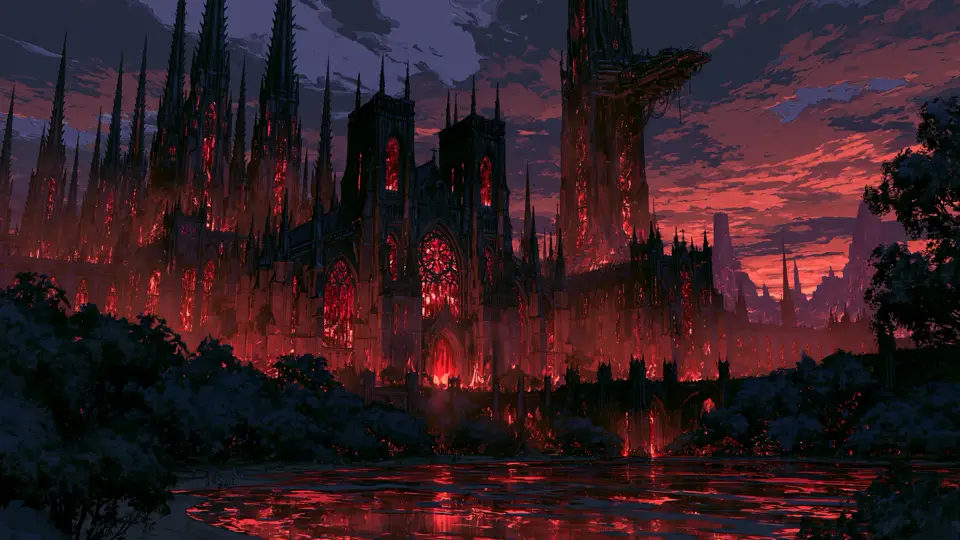
The old wisdom said book trailers don’t sell books. The old wisdom predates AI democratizing video creation. Today, a compelling 60-second trailer can be the difference between algorithmic obscurity and viral discovery. The key? Understanding that book trailers sell atmosphere, not plot.
Trailers built for multiple dark fiction releases using exclusively AI tools prove these techniques work, avoid time-wasters, and create videos that actually convert viewers into readers, all without hiring professionals or learning complex software.
Why Book Trailers Matter Now
Social media algorithms favor video. BookTok, Instagram Reels, YouTube Shorts: that’s where readers discover books. A static cover image competes against millions. A moving trailer that captures your book’s dark essence? That stops the scroll.
But traditional trailer creation costs thousands. Professional videographers, licensed music, custom animations: the expense killed ROI before AI changed the game. Now you can create professional-quality trailers for the cost of a few subscriptions.
The Atmospheric Approach
Most book trailers fail because they try to explain plot. Viewers don’t care about your complex magic system or intricate political machinations, at least never in 60 seconds. They care about feeling. Will your book give them the experience they crave?
Dark fiction trailers must evoke specific emotions:
- Dread building in empty corridors
- Beauty corrupted by something wrong
- Familiar comfort twisted into threat
- The seductive pull of dangerous knowledge
Your trailer’s job: make viewers feel these emotions so strongly they must read your book to scratch that psychological itch.
The AI Toolkit for Trailer Creation
Building professional trailers requires multiple AI tools working in concert:
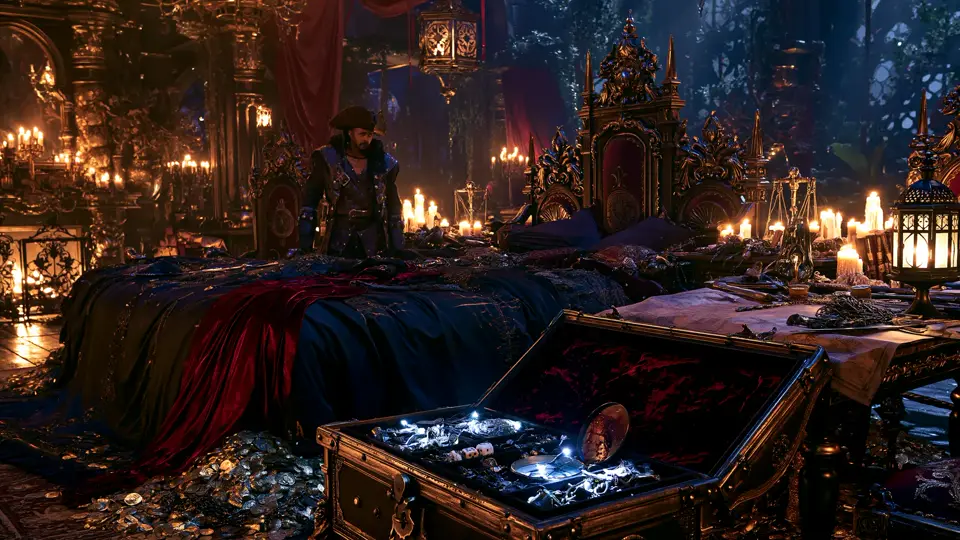
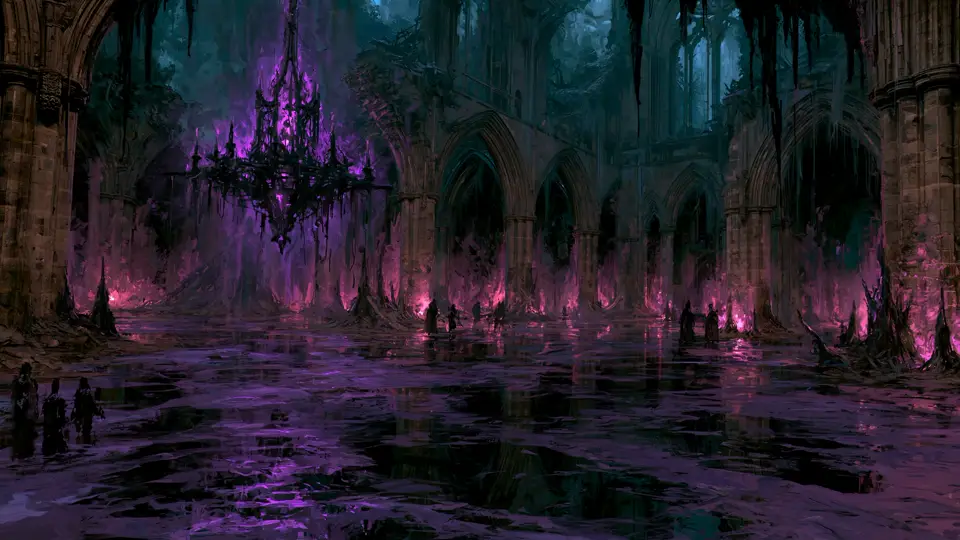
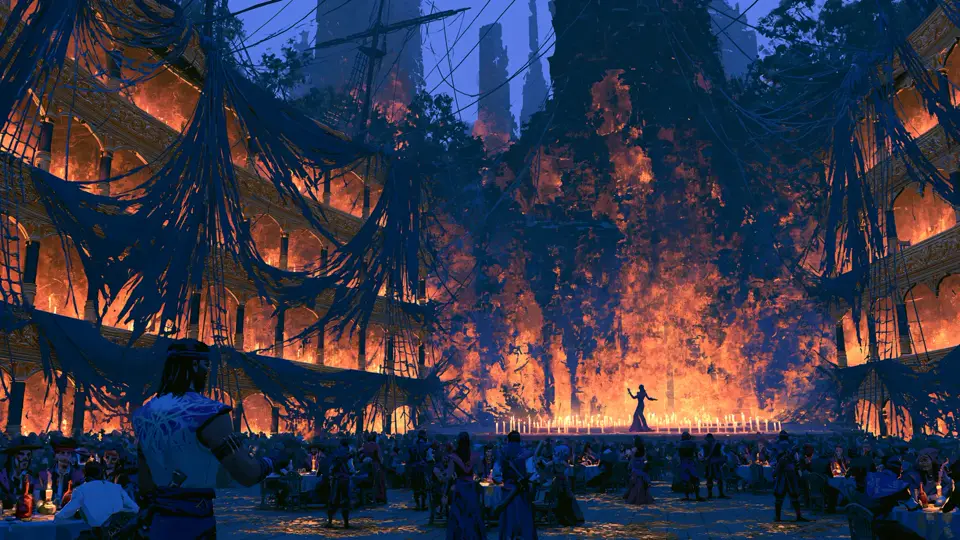
Midjourney/DALL-E 3: Generate atmospheric visuals that capture your book’s essence. Aim for emotional touchstones over literal scene recreation.
Runway ML/Pika Labs: Animate static images. Make mist swirl, shadows creep, candlelight flicker. Subtle movement creates unsettling life.
ElevenLabs/Murf: Generate narrator voices. Choose tones that match your atmosphere: whispered dread, seductive menace, clinical detachment.
Suno/Udio: Create original music. Dark ambient soundscapes, mounting orchestral tension, music box melodies gone wrong.
CapCut/Canva: Edit everything together. Both offer AI-assisted editing that makes professional techniques accessible.
The Creation Process
Here is a proven workflow for creating compelling dark fiction trailers:
Phase 1: Conceptualization
Before touching any tools, answer:
- What emotion should viewers feel?
- What visual represents your book’s core?
- What single line captures the essence?
- What sound defines your atmosphere?
Write a 30-word trailer script as an emotional journey instead of a plot summary. “In grandmother’s house, wallpaper watches. Doors remember what passed through them. Every childhood memory hides teeth. Some inheritances devour their heirs.”
Phase 2: Visual Generation
Generate 10-15 images that capture different aspects:
- Establishing shot (the world’s mood)
- Symbolic objects (recurring motifs)
- Environmental details (atmospheric touches)
- Emotional crescendo (the horror revealed)
- Closing image (the lingering dread)
Prompt strategically: “Victorian dollhouse interior where wallpaper patterns form watching eyes, soft candlelight revealing surveillance, childhood innocence corrupted by ancestral attention, photorealistic horror.”
Phase 3: Animation Planning
Subtle movement trumps dramatic action. Plan micro-animations:
- Mist drifting across graveyards
- Shadows lengthening imperceptibly
- Fabric rustling without wind
- Eyes that might have blinked
Runway ML excels at these subtle animations. Upload your static image, mask areas for movement, generate 4-second clips of uncanny life.
Phase 4: Audio Design
Layer your soundscape:
Base atmosphere: Generate dark ambient tracks with Suno. Prompt: “Dark ambient horror atmosphere, Victorian mansion at night, creaking wood and distant whispers, no drums, building tension.”
Voice narration: Write sparse, evocative copy that makes promises instead of recounting plot. “Some houses digest their families slowly.” ElevenLabs transforms text into chilling narration.
Sound effects: Subtle audio sells reality. Floorboard creaks, fabric rustling, breathing that might be wind. Layer sparingly: suggestion over assault.
Phase 5: Assembly and Pacing
Great trailers follow emotional arcs:
0-10 seconds: Establish normal that feels wrong 10-30 seconds: Build tension through revelation 30-50 seconds: Accelerate cutting, layer sounds 50-60 seconds: Hard stop on disturbing image + title card
CapCut’s AI editing features help achieve professional pacing. Auto-cut to beat, smooth transitions, color grading that maintains mood.
Advanced Techniques
Once comfortable with basics, explore advanced approaches:
The False Comfort: Open with warm, inviting imagery. Slowly corrupt it. Childhood bedroom becomes prison, family dinner turns predatory.
The Revelation Structure: Start with consequence, reveal cause. Body in the garden, then show the house that made it.
The Whisper Campaign: Layer multiple whispered voices reading different lines. Creates unconscious unease viewers can’t identify.
The Broken Loop: End where you began, but wrong. Same image, crucial detail changed. Implies endless, inescapable cycles.
Platform Optimization
Different platforms require different approaches:
TikTok/Reels: 15-30 seconds, immediate hook, text overlay for silent viewing. Front-load impact.
YouTube Shorts: 60 seconds maximum, strong audio design, clear title/author display. Include “link in comments.”
Twitter/X: 2:20 maximum, but shorter performs better. Design for timeline autoplay with a striking opening image.
Facebook: Can go longer, but 60-90 seconds optimal. Include captions, design for silent autoplay.
Book Retailer Sites: Where allowed, embed 30-60 second versions. Focus on atmosphere over plot summary.
Measuring Success
Trailer effectiveness isn’t just views:
Engagement Rate: Comments asking “What book is this?” indicate success. Generic “cool video” suggests atmosphere without purchase intent.
Click-Through: Track links from video platforms to book pages. Low CTR means impressive video, weak book connection.
Conversion Timing: Do sales spike immediately after posting? During the following week? This indicates whether your trailer creates immediate or slow-burn interest.
Share Quality: Are readers sharing with “must read” comments or just “creepy video” reactions? The former sells books.
Common Mistakes to Avoid
Plot Dumping: Your complex narrative won’t fit 60 seconds. Stop trying. Sell feeling, not story.
Literal Visualization: Don’t show your protagonist’s face unless crucial. Let viewers project themselves into the horror.
Overproduction: Slick doesn’t equal effective. Sometimes phone-filmed candles create more atmosphere than CGI castles.
Generic Music: Stock “horror” tracks bore. Create specific soundscapes that could only belong to your book.
Weak Endings: Your final image/sound lingers longest. Make it haunt. Title cards should disturb, not just inform.
The Economics of AI Trailers
Total cost for professional-quality trailer:
- Midjourney: $30/month
- Runway ML: $35/month
- ElevenLabs: $22/month
- Suno: $10/month
- CapCut: Free (or $8/month pro)
Under $100 creates unlimited trailers. Traditional single trailer cost: $2,000-$10,000. The math is undeniable.
Your Trailer Blueprint
- Define core emotion (not plot)
- Generate 15 atmospheric images
- Animate 5-7 with subtle movement
- Create custom dark ambient soundtrack
- Write/record 30 words maximum narration
- Edit following emotional arc structure
- Optimize for each platform
- Track real conversion metrics
- Iterate based on data
Learn this process, and every book launches with professional video marketing that captures your dark fiction’s essence. In an attention economy, the authors who can show their atmosphere, beyond merely describing it, will dominate discovery.
The future of book marketing is visual, immediate, atmospheric. AI makes this future accessible today. Create trailers that go past advertising your book: videos that are experiences in themselves, leaving viewers desperate for the full nightmare your pages promise.