The Aesthetic Bible: Building a Visual Identity for Your Dark Fiction Brand
A reader scrolls past your book in 1.3 seconds. That’s the average time a thumbnail gets on an Amazon browse page. In that sliver of attention, your cover either signals “this is for me” or it vanishes into the infinite scroll. No blurb read. No sample downloaded. Gone.
Now multiply that across every visual touchpoint: your Instagram grid, your newsletter header, your website, your social media avatars, your bookmarks and merch. Each one is a 1.3-second audition. And if those touchpoints don’t look like they belong to the same author, the same world, the same aesthetic promise, you’re auditioning as a stranger every single time.
Visual identity isn’t decoration. It’s recognition infrastructure. And for dark fiction authors specifically, it’s the difference between readers finding you once and readers finding you everywhere.
Why Visual Consistency Builds Reader Trust
Readers are pattern-recognition machines. They learn to associate visual signals with emotional experiences. A certain shade of desaturated teal means cosmic horror. Deep crimson and black serif typography means gothic. Neon-dripped covers with sharp angles mean grimdark urban fantasy. These aren’t arbitrary. They’re genre contracts encoded in color, shape, and composition.
When your visual identity is consistent, every touchpoint reinforces every other. A reader who sees your Instagram post recognizes the aesthetic from your book cover. Your newsletter feels like it comes from the same world as your novels. Your website looks like a place where your stories live. This repetition builds a cumulative impression that transcends any single piece of content.
When your visual identity is inconsistent, each touchpoint starts from zero. Worse than zero, because inconsistency actively undermines trust. If your cover promises literary gothic horror but your Instagram looks like cozy fantasy, readers receive contradictory signals. Contradiction breeds doubt. Doubt kills purchases.
The goal isn’t rigid sameness. It’s coherent variation, the way a symphony uses different instruments to play the same themes.
The Mood Board: Crystallizing Your Visual Soul
Every visual identity starts with a mood board. Not a Pinterest board you scroll through occasionally, but a deliberate, curated collection of images that define the emotional territory of your brand.
AI accelerates this process dramatically. Start with a prompt that establishes your aesthetic parameters:
“I write southern gothic horror with elements of folk magic and generational trauma. My stories take place in decaying rural estates, bayou landscapes, and small towns where beauty and rot coexist. The emotional register is melancholic dread, not jump-scare horror but the slow realization that something has always been wrong. Generate a list of 20 specific visual references (films, photographers, painters, art movements) that capture this aesthetic.”
This gives you a research list. Pull reference images from those sources. Arrange them. Look for the visual throughlines: the colors, textures, compositions, and moods that appear repeatedly. Those throughlines are your brand’s visual DNA.
Your mood board should answer five questions:
- What does your genre feel like visually? Not what happens in your stories, but what emotional atmosphere do they create?
- What visual era does your work inhabit? Victorian decay? Modern clinical dread? Timeless mythic space?
- What’s the light like? Golden hour warmth bleeding into shadow? Cold blue moonlight? The sickly fluorescence of institutional horror?
- What textures dominate? Crumbling stone? Organic corruption? Polished surfaces hiding rot? Rough natural materials?
- What’s absent? Sometimes what you exclude defines a brand as strongly as what you include. No bright colors. No clean lines. No human faces.
Color Palette: The Chromatic Signature
Color is the fastest visual signal. Readers process color before they process text, imagery, or composition. Your palette does more brand-building work in that 1.3-second window than any other element.
Dark fiction subgenres have distinct chromatic territories:
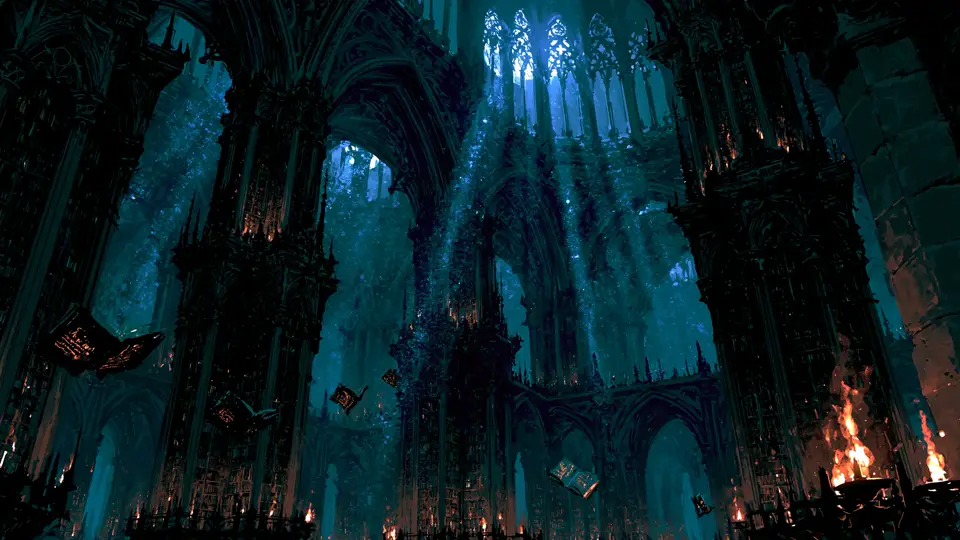
Cosmic horror: Deep navy, desaturated teal, void black, occasional sickly yellow-green. The palette of deep ocean and infected starlight. Avoid warm colors entirely. Cosmic horror is cold.
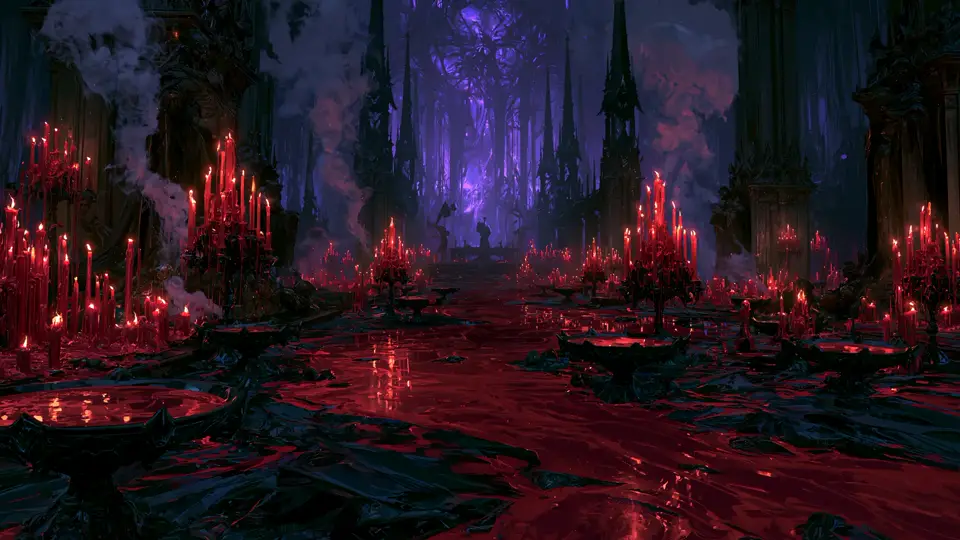
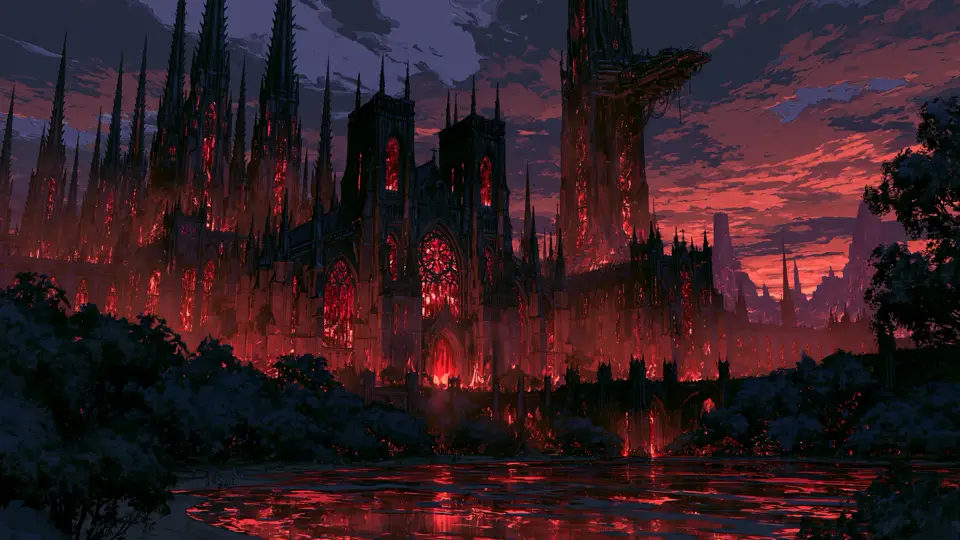
Gothic horror/romance: Burgundy, aged gold, ivory decay, shadow black. Rich, historical, suggesting luxury decomposing. The warmth here is the warmth of old blood, not sunshine.
Grimdark fantasy: Charcoal, rust, dried-blood red, steel grey. Industrial, brutal, utilitarian. These palettes reject beauty in favor of functional grimness.
Southern gothic: Moss green, amber, faded indigo, bone white. The palette of things that grow in humid darkness, beautiful and slightly sick.
Psychological horror: Clinical white, institutional grey, one accent color used sparingly and disturbingly. The horror of normalcy disrupted.
Select five to seven colors maximum. Three dominant, two to four accent. Generate AI variations to test:
“Create 5 dark fantasy color palette options for a brand centered on cosmic horror themes. Each palette should have exactly 6 colors: 2 dominant darks, 2 mid-tones, and 2 accent colors. Provide hex codes. The palettes should feel cold, vast, and subtly wrong, not cartoonishly spooky. Reference the color theory of Beksiński’s paintings and the cinematography of Annihilation.”
Test your palette against real applications: mock up a book cover, a social post, a newsletter header. Colors that look elegant in isolation sometimes clash in practice. Refine until the palette works across every medium.
Typography: Letters That Speak Before They’re Read
Typography signals genre before a reader processes the title. A serif font in weathered gold communicates differently than a clean sans-serif in white. Your typographic choices tell readers what kind of experience they’re signing up for.
For dark fiction specifically:
Serif fonts signal tradition, literature, history. They’re the default for gothic, historical horror, and literary dark fantasy. Within serifs, the range is enormous: high-contrast Didones (Bodoni, Didot) feel elegant and sharp. Old-style serifs (Garamond, Caslon) feel classic and grounded. Slab serifs feel industrial and imposing.
Sans-serif fonts signal modernity, cleanliness, technology. They work for psychological horror, science fiction horror, and contemporary settings. But used carelessly, they can feel corporate rather than menacing.
Display and decorative fonts should be used surgically: titles and headers only, never body text. A blackletter font screams dark fantasy on a cover. It screams unreadable in a newsletter paragraph.
Choose two fonts maximum for your brand: one for headlines, one for body text. Apply them everywhere. Your cover title, your social media graphics, your newsletter headers, your website. Same two fonts, every time. This consistency trains readers to recognize your content before they see your name.
AI can help you narrow options efficiently:
“I need font pairing recommendations for a cosmic horror author brand. The headline font should suggest ancient knowledge or otherworldly communication, unsettling but legible. The body font should be highly readable but with subtle personality. No blackletter or overly decorative options. Suggest 5 specific pairings with the reasoning behind each combination.”
AI Art Style Consistency Across a Series
If you’re using AI-generated art for covers or promotional material, style consistency across a series is the hardest challenge and the most important one to solve.
Readers buy series visually. When browsing, they identify books that belong together by their visual cohesion. A series with inconsistent cover art looks like five different books by five different authors, even if the titles and author name match.
The Style Lock-In Process:
-
Generate widely first. Create fifty or more images exploring different aesthetic directions for your series. Don’t commit early.
-
Identify the throughline. Which images feel like they belong to the same world? Group them. What specific qualities link them? Color treatment, composition style, level of abstraction, lighting approach?
-
Build a reference prompt. Distill those qualities into a base prompt that you’ll use as the foundation for every cover in the series. This prompt should specify medium, color treatment, composition principles, mood, and what to exclude.
-
Test variation within constraints. Each book in the series needs to be distinct while remaining visually unified. Generate test covers that vary the subject while maintaining the style parameters. If book one features a tower and book two features a forest, both should look like they were painted by the same artist in the same mood.
-
Document everything. Save your prompts, your settings, your model version. AI art tools update frequently, and an update can shift output style. Your documentation lets you recreate consistent results or explain your needs to a human designer who takes over later.
A practical example: For a five-book dark fantasy series, the base prompt might include specific instructions about color desaturation percentage, lighting direction, texture treatment, and composition framing. Each book’s prompt modifies only the subject matter and dominant accent color. The result: five covers that are unmistakably a series while each being visually distinct.
Social Media Visual Templates: The Recognition Grid
Your social media grid should function like a gallery wall. When someone visits your profile, the first impression comes from the visual pattern of your posts, not individual content but the aggregate aesthetic.
Build three to five visual templates that rotate:
The Quote Card: Your color palette background, your brand fonts, a short text excerpt from your work or a thematic quote. Same layout every time. Different text.
The Atmospheric Image: AI-generated or curated imagery that matches your mood board. No text overlay, just pure visual atmosphere. These posts build brand feeling without selling anything.
The Announcement: A structured template for cover reveals, release dates, sales. Your brand colors, your fonts, a consistent layout that readers learn to recognize as “news from this author.”
The Behind-the-Scenes: A slightly more casual template (still in your color palette, still using your fonts) for writing updates, desk photos, process insights. This template signals authenticity while maintaining brand coherence.
Create these templates once. Reuse them forever. The constraint isn’t limiting. It’s liberating. You never wonder how a post should look. You choose the template, fill in the content, and maintain visual consistency without thinking about it.
Cover Design and Reader Expectations: The Silent Contract
Your cover is a promise. Not a summary of the plot, but a promise of the reading experience. Get this wrong and everything else in your visual identity collapses, because the cover is where most readers encounter your brand for the first time.
Dark fiction covers communicate through specific visual conventions:
What you show tells readers the subgenre. Architectural elements suggest gothic. Vast landscapes suggest epic dark fantasy. Close-up faces suggest psychological horror. Abstract or surreal imagery suggests cosmic or literary horror.
What you hide creates intrigue. The most effective dark fiction covers suggest rather than depict. A silhouette is more menacing than a detailed monster. A door slightly ajar is more unsettling than a door flung open. Restraint signals sophistication. Your book is horror for adults, not a haunted house attraction.
Scale and composition communicate tone. A small figure dwarfed by vast architecture feels cosmic. A tightly framed face feels claustrophobic and psychological. Central symmetry feels ritualistic and intentional. Asymmetry feels unstable and anxious.
Your cover designer (human or AI-assisted) should receive your aesthetic bible as a brief. Not “make it dark and scary.” Instead: “Here’s my color palette, my typographic choices, my mood board, my compositional preferences, and three reference covers that capture the feeling I want.” Specific briefs produce specific results.
Building the Visual Style Guide Document
Everything above should be consolidated into a single reference document, your aesthetic bible. This document serves as the source of truth for every visual decision, whether you’re creating content yourself, briefing a designer, or generating AI art.
Your aesthetic bible should contain:
-
Brand statement: Two sentences describing the visual feeling of your brand. Not what your books are about, but what they feel like.
-
Mood board: Ten to fifteen reference images that define your visual territory.
-
Color palette: All colors with hex codes, RGB values, and CMYK for print. Primary, secondary, and accent colors labeled clearly.
-
Typography: Your two chosen fonts with specifications for each use case: cover titles, social media headlines, body text, captions. Include sizes, weights, and spacing guidelines.
-
Imagery guidelines: What types of imagery are on-brand and off-brand. Specific do’s and don’ts. “Architectural decay: yes. Cartoon skulls: no.”
-
Composition rules: Preferred layouts for covers, social posts, and newsletter headers. Template mockups with dimensions.
-
Logo and name treatment: How your author name appears visually. Font, size, placement, color variations for different backgrounds.
-
Examples: Three to five finished pieces that represent the ideal execution of your visual identity.
AI can draft this document structure, but the decisions must be yours. No model knows whether your brand should feel like candlelit parchment or cold digital void. That’s a creative choice that flows from your stories, your audience, and your artistic instincts.
The Compounding Power of Visual Coherence
Visual identity doesn’t pay off immediately. The first time a reader sees your Instagram post, they don’t think “ah, that’s the author with the desaturated teal cosmic horror brand.” They think “nice picture” and keep scrolling.
The fifth time, something stirs. The tenth time, recognition. The twentieth time, they see that shade of teal in a bookstore and think of you before they see your name.
That’s the power you’re building. Not a logo. Not a color scheme. A visual instinct in your reader’s mind that connects a feeling to your name, a color to your genre, a typographic choice to the experience of reading your books.
Dark fiction readers are aesthetes. They chose this genre because they crave a specific emotional experience: dread, wonder, beautiful unease. Your visual identity is the first taste of that experience. Make it consistent, make it intentional, make it unmistakably yours.
Build the bible. Follow it relentlessly. Let readers recognize the darkness before they even know your name.