Visual Marketing Mastery: Creating Compelling Visual Content for Dark Fiction
Visual content is often the first impression readers have of your work. Before they read your description or sample, they see your cover, your social media posts, or your promotional graphics. For dark fiction, these visuals must capture the right atmosphere, attract the right audience, and communicate your story’s essence instantly.
Dark fiction has specific visual requirements that differ from other genres. The aesthetic needs to convey darkness, atmosphere, and emotional weight without being generic or clichéd.
The goal isn’t just creating attractive visuals. It’s creating visuals that serve your marketing goals, communicate your story’s essence, and attract readers who will love your work.
Understanding Dark Fiction Visual Aesthetics
Dark fiction visuals require specific aesthetic choices that communicate genre, tone, and atmosphere.
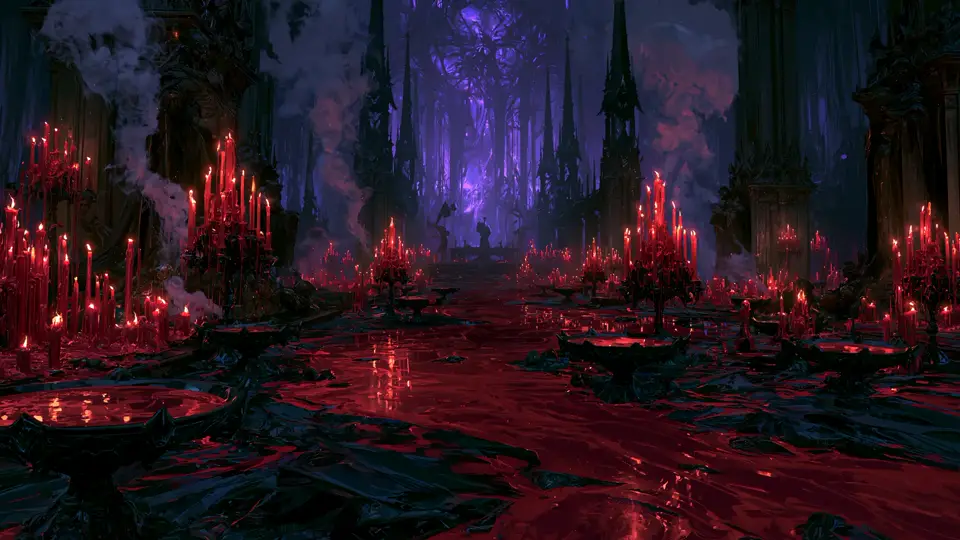
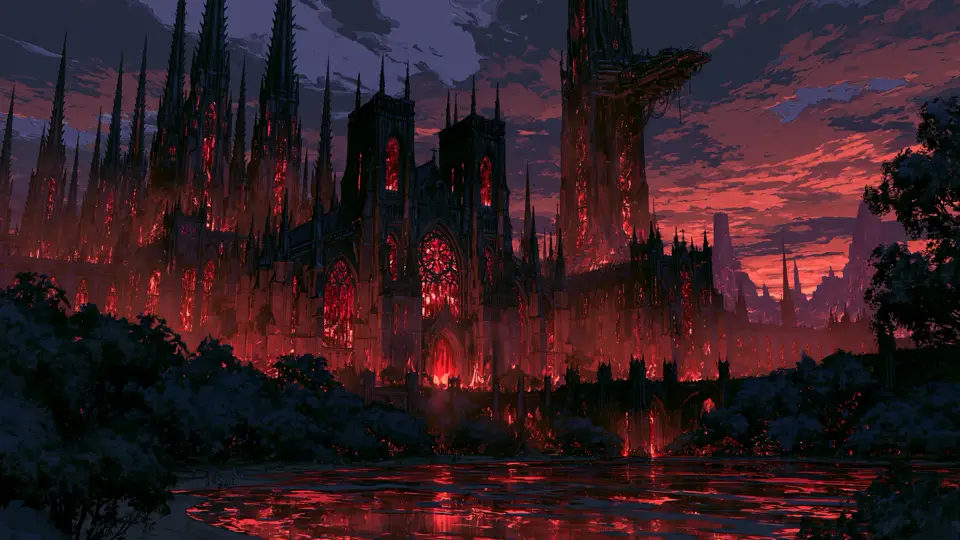
Color palettes in dark fiction typically favor muted, desaturated colors with strategic use of contrast. Deep blacks, dark grays, muted purples, and blood reds create the right atmosphere. Bright, saturated colors rarely work unless used strategically for contrast.
Typography choices matter significantly. Fonts should feel weighty, atmospheric, and appropriate to your story’s tone. Gothic fonts work for some stories, while modern sans-serif fonts work for others.
Composition should create tension and atmosphere. Dark fiction visuals benefit from asymmetry, effective use of negative space, and compositions that feel slightly off-balance.
Imagery should suggest rather than show. Dark fiction thrives on implication and atmosphere. Visuals that show too much lose mystery. Visuals that suggest and imply create intrigue.
Mood and atmosphere are everything. Every visual element should contribute to the overall mood. Whether that’s gothic horror, cosmic dread, psychological unease, or dark fantasy atmosphere.
Book Covers That Capture Your Story
Book covers are your most important visual marketing asset. They’re often the only visual element potential readers see before deciding whether to investigate further.
Subgenre-appropriate design reflects your story’s specific tone rather than generic dark fiction tropes. A psychological horror cover should look different from a cosmic horror cover, which should look different from a dark fantasy cover.
Title treatment is crucial. The title font, size, and placement significantly impact how the cover reads. Titles should be legible at thumbnail size while maintaining atmospheric quality.
Cover imagery should intrigue without revealing too much. Dark fiction covers work best when they create questions rather than answer them.
Color choices communicate genre and tone. Research successful covers in your subgenre to understand color conventions.
Professional design matters more for covers than any other visual element. Readers judge books by covers. Investing in professional cover design pays dividends through increased visibility and credibility.
AI-Assisted Visual Creation
AI tools have transformed visual content creation for authors. Tools like Midjourney, DALL-E, and others generate high-quality imagery accessible to authors without design backgrounds.
Cover imagery generation using AI provides options that would otherwise require expensive custom photography or illustration. Generate concepts, iterate on prompts, and create imagery that captures your story’s atmosphere.
Social media graphics can be created quickly using AI-generated backgrounds combined with text overlays. This enables consistent visual content without extensive design time.
Promotional materials benefit from AI-generated imagery that maintains your aesthetic across different formats and purposes.
Limitations exist. AI-generated imagery sometimes feels generic or lacks the specificity of custom work. For covers especially, working with designers who can refine AI-generated concepts often produces better results than AI alone.
Social Media Graphics That Engage
Social media requires consistent visual content that maintains your brand while engaging followers.
Quote graphics transform powerful lines from your books into shareable content. Typography, background imagery, and color choices should reinforce your aesthetic.
Book promotion graphics announce releases, sales, or milestones. These need to be eye-catching enough to stop scrolling while maintaining your dark aesthetic.
Behind-the-scenes graphics share your creative process visually. Even process content should maintain visual consistency with your brand.
Teaser graphics create anticipation for upcoming releases. These work best when they create questions rather than answering them.
Community engagement graphics celebrate your readers, share fan content, or highlight community moments.
Promotional Materials That Convert
Promotional materials serve specific marketing functions.
Launch campaign materials create excitement around book releases. Countdown graphics, cover reveal sequences, or promotional banners.
Email newsletter headers maintain your brand in reader communications. Newsletter visuals should be recognizable as yours while serving functional purposes.
Event graphics promote appearances, signings, or online events. Balance information density with visual appeal.
Advertising graphics for paid promotion need to work at small sizes while maintaining impact. Understanding platform requirements helps you create effective ad graphics.
Merchandise designs extend your visual brand to physical products. These create additional revenue streams while serving as marketing.
Creating Visual Consistency
Visual consistency creates brand recognition that helps readers identify your content instantly.
Brand colors should remain consistent across all visual content. Maintaining consistent color palettes creates visual cohesion.
Typography choices should repeat across materials. Consistent font usage in titles, body text, and accent text creates recognition.
Imagery style should feel consistent even when individual images differ. Whether you use photography, illustration, or AI-generated imagery, the style should feel cohesive.
Templates help maintain consistency. Create templates for recurring content types and reuse them with variations.
Brand guidelines document your visual standards. Having clear guidelines helps maintain consistency as you create new content.
Platform-Specific Optimization
Different platforms have different visual requirements.
Instagram favors square or vertical imagery with strong visual impact. Stories require vertical format with room for interaction elements.
Twitter/X works with horizontal imagery and requires clarity at smaller sizes.
Facebook accommodates various formats but horizontal imagery often performs best for link posts.
Pinterest heavily favors vertical, tall imagery with text overlay.
Amazon has specific requirements for book covers including file format, resolution, and color profile.
Understanding each platform’s requirements ensures your visuals perform optimally.
Working With Designers
While AI tools enable solo creation, working with designers often produces superior results for critical assets.
Cover designers specialize in creating covers that sell. Their expertise in genre conventions, typography, and market positioning often justifies the investment.
Branding designers can create comprehensive visual brand systems that you then apply consistently across materials.
Social media designers can create template systems that you populate with content over time.
When to invest in professional design: covers almost always, branding at career milestones, promotional materials for major launches.
Measuring Visual Effectiveness
Track how visual content performs to inform future decisions.
Engagement rates on visual social media posts versus text posts reveal what resonates with your audience.
Click-through rates on visual ads show which imagery drives action.
Cover performance through A/B testing, when possible, reveals which covers sell better.
Share rates on graphics show what visual content your audience finds shareable.
Use this data to refine your visual approach over time.
Building Your Visual System
Start with foundational elements. Define your color palette, choose your typography, and establish your visual style.
Create templates for recurring content types. Quote graphics, promotion posts, and announcement graphics all benefit from templates.
Document your brand guidelines. Even simple documentation helps maintain consistency as you create more content.
Invest strategically. Put resources into covers and foundational branding. Use templates and AI for routine content.
Iterate based on performance. What works with your audience may differ from general best practices. Let data guide your evolution.
Visual marketing for dark fiction requires understanding the genre’s aesthetic requirements while serving practical marketing functions. The right visuals attract readers who will love your work, communicate your story’s essence instantly, and build brand recognition that compounds over time.