Protect What Already Works
Proofreaders use the word stet, Latin for “let it stand”, to cancel a cut. You strike a word, change your mind, put dots under it, and write stet in the margin. Anyone who has run an editorial desk has written it in a lot of margins, usually to undo an edit that changed a sentence that was fine.
This is the fifth dev diary on the new game. The fourth covered how I check work done by machines. This one covers a different problem: changes that undo work I had already approved.
The Afternoon I Thought the Shrines Were Gone
The game has a sanctuary, a side-scrolling street where the heroine rests between runs. Small pixel shrines and stations line the street. Each one was placed by hand and approved after several rounds of changes, and the street is one of my favorite parts of the game.
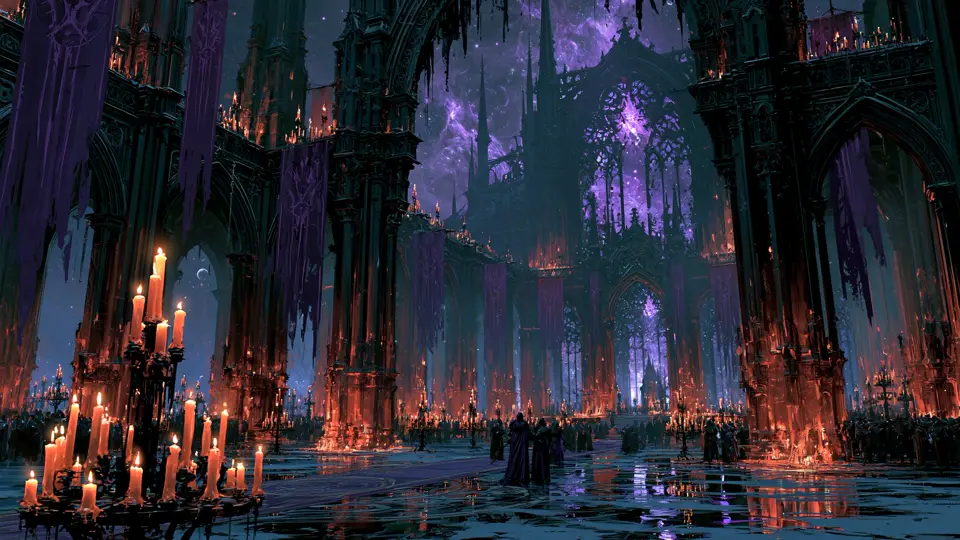
The game also has a new talent tree, the Bloodline, which opens from a painted shrine menu that took a full art pass to finish. I asked for that painted menu to appear in the sanctuary as well.
The build got it right. The menu opens from the brazier that was already on the street when you walk up to it and press the action key. Nothing else on the street changed.
Then I got a link to check the work, and the link opened a different sanctuary: an earlier board version of it, with the new painted menu on it and none of the pixel shrines. For a few minutes I believed the street had been torn out and replaced, and I was furious.
Nothing had been replaced. The street was intact behind a different link. But the scare showed me that nothing in the process protected the street. It had survived because no task had touched it yet.
Why Revisions Overwrite Good Work
An AI agent asked to add a feature works from what it can see. If it sees an old menu, the easiest way to deliver something good is to build a new menu. Fitting the new work into the old piece takes more effort: the agent has to find the old piece, learn how it works and build around it, with no record of the rounds of notes that got it approved.
Human editors do the same. A line editor who smooths your best sentence into a flatter one is doing what they were hired to do, improving sentences, on a sentence that needed nothing. The more a reviser can change, the more they will change.
So the protection has to be written into the brief before the work starts.
Three Habits
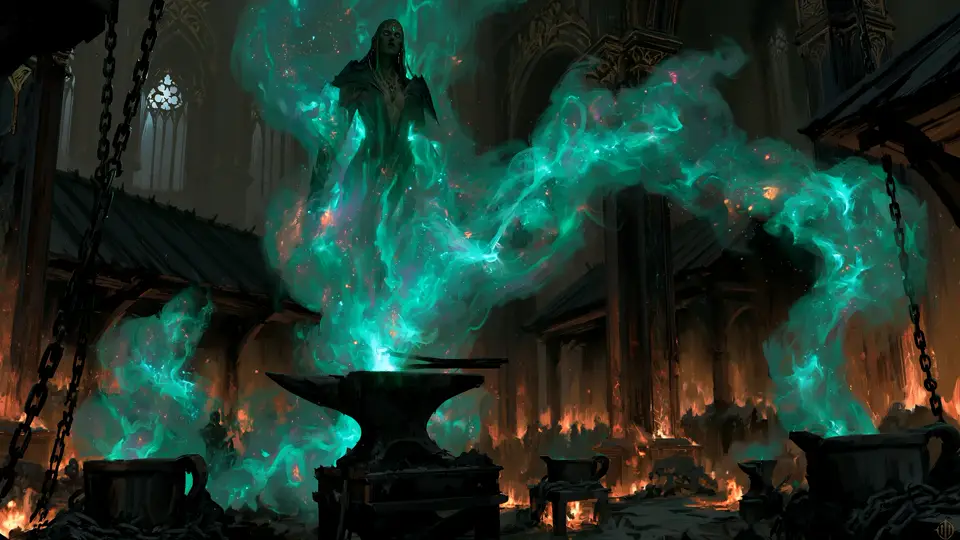
List what is approved. Every brief for new work now includes a short list of approved art, screens and systems that must not be swapped, removed or redrawn without my sign-off. The project’s standing rule says new features connect to existing work. When the forge, another station on the street, needed a much richer menu, the brief said the street forge and its art stay as they are and the new menu opens from it.
Ask before fixing something I like. A builder found what may be a bug in an older factory scene: one line of code that appears to rotate a whole section of wall when it should rotate one part. It probably is a bug. The scene is also approved, and it looks right. The note on file says to check it and ask me before changing anything. When a bug produces a result the owner likes, the owner decides whether to fix it.
Shelve instead of deleting. The game’s music has a rule that every song is kept. When a track is replaced, the old one goes on a shelf under its name and is never overwritten. Most shelved songs stay there. The few that come back would have been lost under a tidier policy.
All three depend on looking at the actual work before reporting on it. My scare started with a link to the wrong screen and ended when someone opened the right one. Before anyone says a change is done, or that something is missing, they now check the real screen.
For Your Manuscript
Good pages are rarely lost in the first draft. They get lost in the fourth pass, when you are tired of a chapter and every sentence looks improvable.
Mark what stays before you revise. Go through the draft first and mark the passages that work: the line you are proudest of, the scene beta readers quoted back to you, the paragraph your editor singled out. Leave them out of the revision pass unless you decide, deliberately, to reopen one.
Give that list to whoever revises. If an editor or a model is revising the chapter, send the list with it and ask for changes everywhere else. A model told to improve a chapter will change all of it. A model told to improve the chapter but leave four named passages exactly as written will leave them alone.
Keep a cuts file. When you cut something good for structural reasons, paste it into a separate file. You will rarely use it, but when you do, the passage will be there word for word and you won’t have to rebuild it from memory.
Open the real file before you panic. When something seems lost, check the current version of the draft first. My scare over the shrines came from looking at the wrong version.
Machines make revision cheap, which means more revision passes and more chances to overwrite a good page. Decide what stays before any pass begins, and write it down where the reviser will see it.