ChatGPT vs Claude vs Midjourney: Which AI for Dark Fantasy Writing?
Every AI has a personality. This isn’t anthropomorphism or wishful thinking. It’s a practical reality that emerges from how each model was trained, what it was optimized for, and the specific approaches its creators took to alignment and capability development. Understanding these personalities is the key to building a powerful AI toolkit that amplifies your creative work rather than fighting against it.
The AI Personality Spectrum
Different AI models don’t just have different capabilities. They have fundamentally different approaches to understanding and generating text. These differences manifest in ways that profoundly affect their suitability for various aspects of dark fantasy writing.
Think of it like assembling a team of specialists for a complex heist. You wouldn’t ask your demolitions expert to crack the safe, nor would you expect your con artist to handle the getaway driving. Each AI brings specific strengths that shine in particular contexts while struggling in others.
GPT-4’s Systematic World-Building Approach
GPT-4 approaches creative challenges like an architect designing a cathedral. Its responses demonstrate a comprehensive framework approach, creating logical rules for existence, establishing what concepts mean in context, and showing how systems might interact and influence each other.
When given a complex character challenge, GPT-4 constructs entire ethical frameworks around choices. It establishes necessity, provides moral justification, and explores internal conflict through systematic development. This systematic brilliance shows in how GPT-4 creates consistent internal logic, explaining what happens and why it makes sense within the established world.
GPT-4 excels at creating the scaffolding of complex narratives. It naturally generates multiple plot possibilities, systematic magic rules, and intricate political structures. Its systematic nature makes it ideal for building comprehensive, internally consistent frameworks that epic fantasy demands.
The cost of that rigor: GPT-4’s systematic nature sometimes creates distance from emotional immediacy. Its descriptions tend toward the comprehensive rather than the visceral. It tells you everything about a character’s ethical framework but might miss the specific moment when their hands shake as they wash blood from under their fingernails.
Claude’s Deep Emotional Archaeology
Claude approaches the same challenges like a therapist conducting a particularly intense session. Instead of building systematic frameworks, Claude dives immediately into the messy, contradictory experience of being a creature caught between necessity and morality.
Claude’s responses focus on immediate, physical experience of conflict. It captures dissociation, compartmentalization, and the subtle ways trauma and monstrosity affect daily life. These details create a lived-in authenticity that makes characters feel real despite their supernatural nature.
Claude’s true strength emerges in exploring psychological authenticity. It understands that real psychological complexity isn’t about dramatic revelations. It’s about the accumulation of small, authentic moments that reveal character through behavior rather than declaration.
Where Claude occasionally struggles is in maintaining narrative momentum. Its deep dives into psychology can sometimes stall plot progression, and its focus on internal experience might neglect external action that drives stories forward.
Midjourney’s Visual Storytelling Revolution
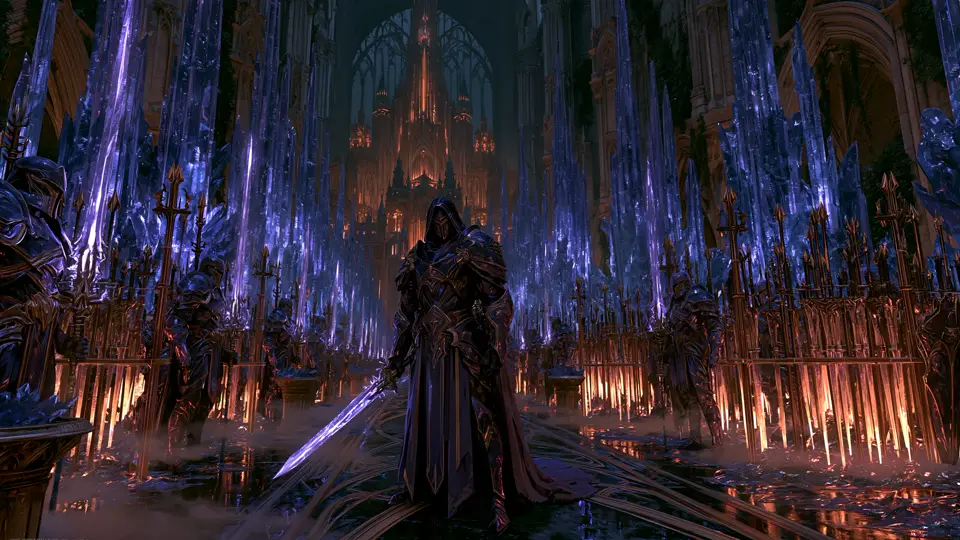
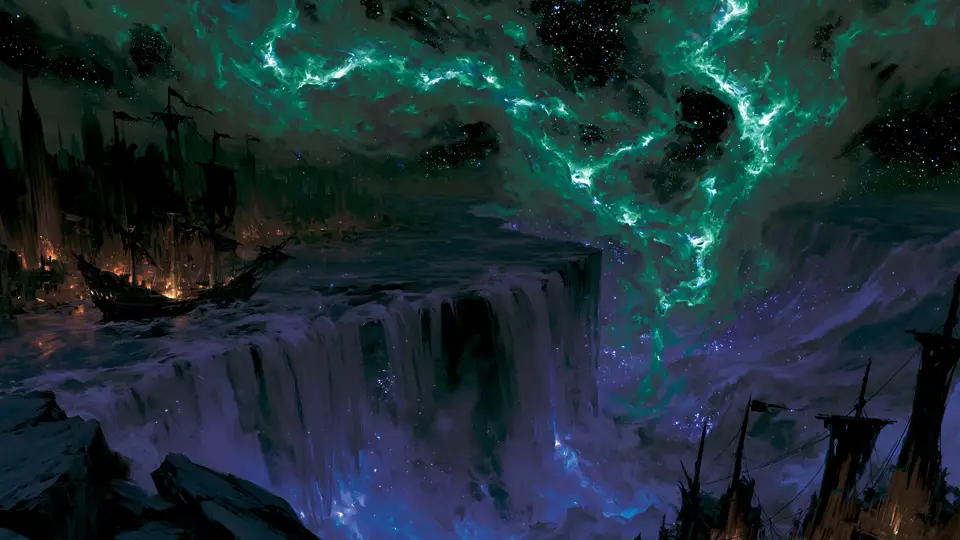
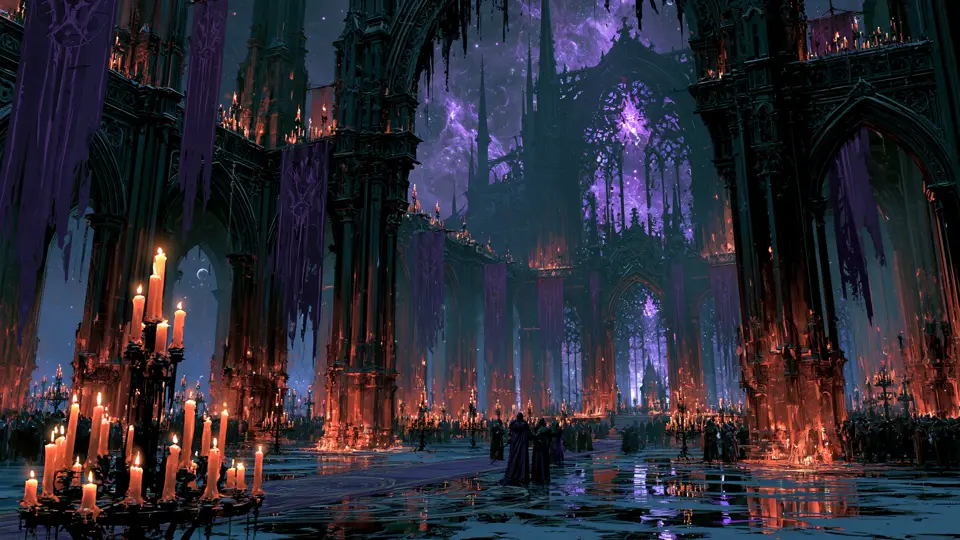
While Midjourney can’t write prose directly, its role in dark fantasy creation is transformative in ways many writers overlook. Visual generation can fundamentally change how you understand your characters and world.
Midjourney excels at revealing the visual language of your world. It shows how characters carry themselves, how their internal conflicts manifest physically, how environments reflect psychological states. These images become touchstones during writing, ensuring consistency of mood and aesthetic across scenes.
The visual immediately suggests story elements you might not have consciously considered. Environmental details, character positioning, symbolic elements all emerge organically from the visual generation process, enriching your narrative in unexpected ways.
Practical Deep-Dive Applications
Understanding these personality differences is only valuable if you can apply them practically.
World-Building: The GPT-4 Domain
When constructing the bones of your dark fantasy world, GPT-4 reigns supreme. Its systematic approach naturally generates the kind of comprehensive, internally consistent frameworks that epic fantasy demands. It excels at extrapolating logical consequences from single constraints, building entire societies around limitations.
GPT-4 also shines at maintaining continuity across complex narratives. It can track multiple plot threads, remember minor character details, and ensure your prophecies actually make sense when fulfilled three books later.
Character Development: Claude’s Territory
When you need to understand why your characters do what they do, and more importantly, why they tell themselves they do it, Claude becomes indispensable. Its psychological sophistication captures the layers of self-deception, rationalization, and genuine insight that create three-dimensional characters.
Claude understands that real psychological complexity isn’t about dramatic revelations. It’s about the accumulation of small, authentic moments that reveal character through behavior rather than declaration.
Visual Development: Midjourney’s Revolution
Midjourney has fundamentally changed how writers can approach visual elements in their work. Instead of struggling to describe complex visuals, you can generate references that capture exactly the mood and aesthetic you’re reaching for. More importantly, Midjourney often suggests visual elements you hadn’t consciously considered but which perfect the scene.
The Hybrid Workflow
The most powerful approach combines all available AI tools in a workflow that leverages each strength while compensating for weaknesses. Start with psychological exploration to create emotional cores, build worlds that serve those characters, visualize key elements to ensure consistency, and use each tool fluidly throughout the writing process.
Each tool becomes a specialized consultant, available when their particular expertise serves the story. This isn’t about finding the “best” AI. It’s about understanding each tool’s unique strengths and orchestrating them effectively.
Choosing Your Primary Tool
While the hybrid approach is ideal, practical constraints often mean choosing a primary AI assistant. Your choice should depend on your specific needs and weaknesses as a writer.
If you struggle with plot structure and worldbuilding consistency, make GPT-4 your primary tool. Its systematic approach will help you build solid narrative foundations.
If your characters feel flat or your emotional beats ring false, Claude’s psychological sophistication makes it the better choice.
If you’re a visual thinker who struggles to translate images to words, Midjourney can bridge that gap.
Consider also your project type. Epic fantasy series with complex magic systems and political intrigue benefit from GPT-4’s systematic approach. Character-driven psychological horror leverages Claude’s emotional intelligence. Atmospheric dark fantasy where mood matters more than plot combines perfectly with Midjourney’s visual inspiration.
The Evolution of AI Personality
These AI personalities aren’t static. Each update brings subtle shifts in capability and approach. GPT-4 has become more nuanced in its character work while maintaining systematic strength. Claude has improved at maintaining narrative coherence while keeping psychological depth. Midjourney’s latest versions show better narrative understanding in visual composition.
Stay attuned to these changes. What works today might be surpassed tomorrow, not through wholesale replacement but through gradual evolution.
Mastering the Orchestra
The future of AI-assisted dark fantasy writing isn’t about finding the “best” AI. It’s about understanding each tool’s unique strengths and orchestrating them effectively. Like a master conductor who knows when to spotlight the strings versus the brass, the skilled AI-assisted writer knows when to turn to each tool.
This isn’t about replacing human creativity. It’s about amplifying it through tools that complement your weaknesses and enhance your strengths.